
Pig Farm Consumables Procurement Checklist: From Protective Gear to Disinfection Equipment, How to Minimize Omissions and Losses

Under the backdrop of endemic African swine fever control, over 60% of disease outbreaks in pig farms are directly linked to lapses in managing personnel and material entry/exit. This article outlines the complete procurement categories for pig farm consumables to help purchasing departments establish a systematic checklist, reducing loss risks caused by omissions.
Personal Protective Equipment (PPE) Consumables
Personnel are the biggest variable in biosecurity at pig farms. All personnel entering the site must complete the full protective protocol, which requires basic consumables including disposable coveralls, N95 masks, latex gloves, shoe covers, and protective boots. These items are high-frequency consumables; a single 10,000-head farm can consume thousands of sets per month.
Ensure specifications match during procurement. Protective suits must meet medical or industrial standards; masks should confirm filtration efficiency ratings; gloves must be distinguished between inspection-grade and industrial-grade. Inconsistent specifications compromise protection levels and increase inventory management complexity.
Disinfection Equipment and Chemicals
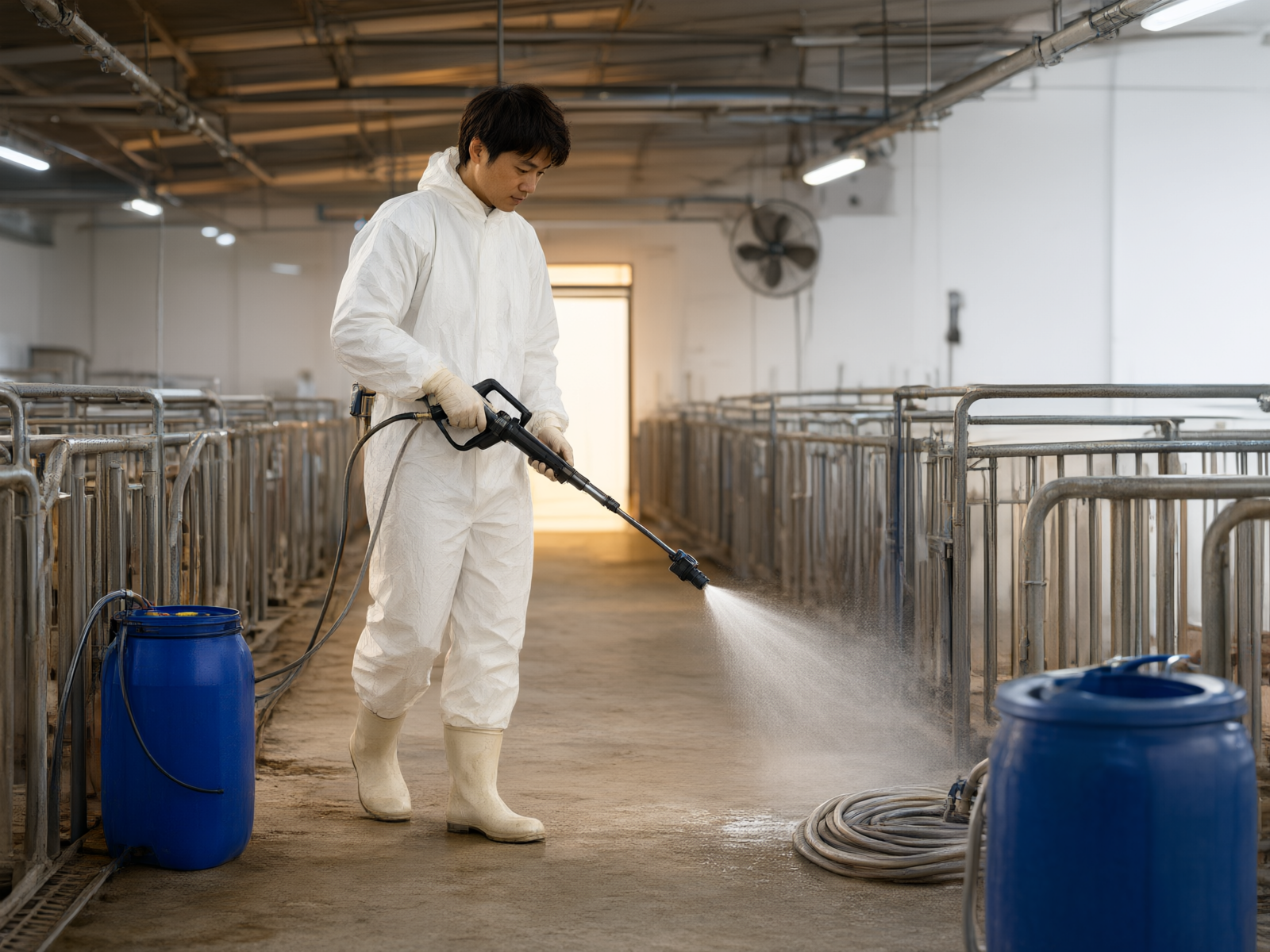
Disinfection is a core component of biosecurity. Equipment requirements include: high-pressure washer-disinfector, fog disinfection machine, vehicle disinfection tunnel, personnel disinfection tunnel, and UV disinfection lamps. Chemical reserves must include: glutaraldehyde-based disinfectant, potassium monopersulfate compound, iodine preparations, and quicklime.
Different regions have varying disinfection requirements. Entry points typically use fogging, while pig barns require high-pressure washing followed by chemical disinfection. Vehicle disinfection needs dedicated lanes and sufficient chemical supply. Omitting any disinfectant type will prevent standard protocols from being executed in specific scenarios.
Daily Farming Consumables
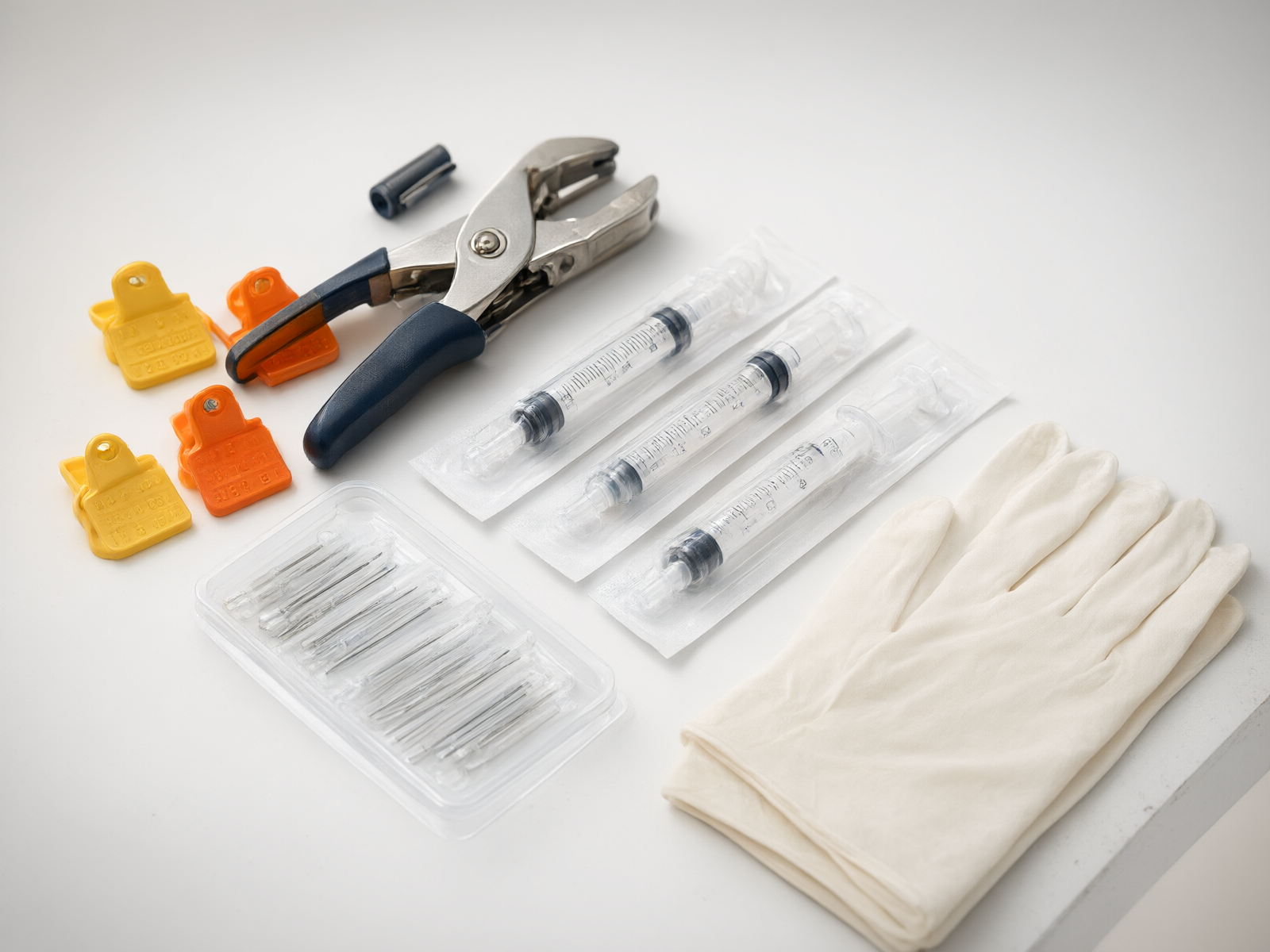
Daily farming operations involve a wide range of consumables. Identification supplies include ear tags and taggers; immunization items cover disposable syringes, needles, and blood collection tubes; feeding equipment includes nipple drinkers and feeder accessories; breeding products encompass insemination guns, semen dilution powder, and pregnancy test strips.
These consumables have low unit costs but come in many varieties, often leading to procurement errors like buying the main item while missing accessories. For example, syringes may be ordered without matching needles, or ear tags without the corresponding taggers, resulting in items that cannot be used immediately upon arrival. We recommend purchasing consumables by functional module to ensure a complete set for every operational scenario.
Environment Control and Waste Disposal Consumables
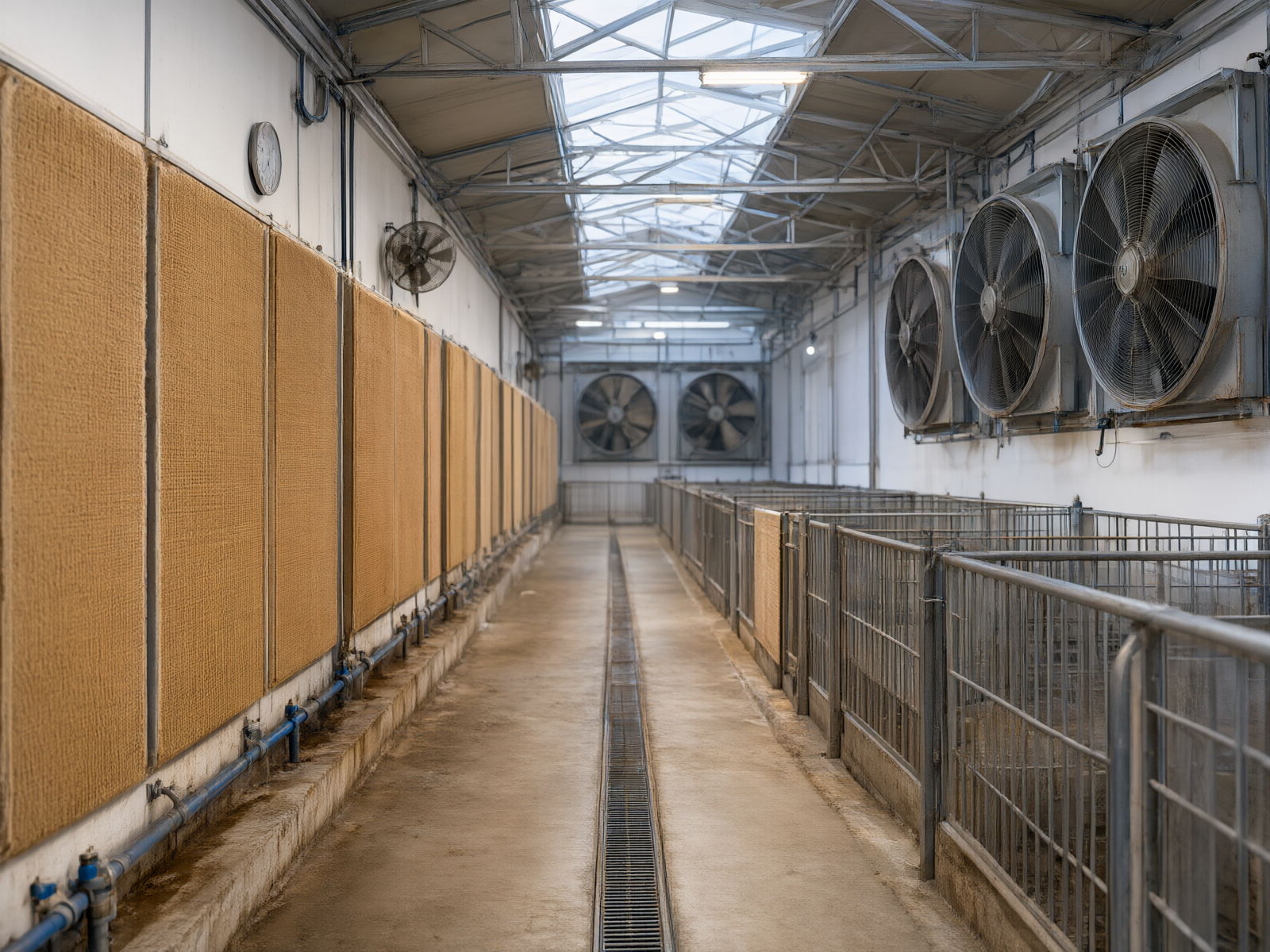
Environmental control directly impacts herd health. Seasonal essentials include wet pads and fan components for summer cooling, and heat lamps and heating panels for winter insulation. Waste management requires septic tank treatment chemicals, solid-liquid separator consumables, and deodorizers.
These consumables are seasonal and require long lead times. Cooling pads must be stocked before the hot season, while insulation materials must be in place before temperatures drop. Missing the procurement window not only affects pricing but can also prevent timely replenishment during emergencies.
Testing and Monitoring Consumables
Disease detection is critical for early warning. Common testing consumables include: African Swine Fever rapid test kits, Classical Swine Fever antibody test cards, thermometers, and environmental monitoring instrument accessories. Testing consumables have expiration dates; when procuring, calculate the required quantity based on herd size and testing frequency to avoid overstocking and waste from expired items.
One-stop procurement reduces the risk of missed purchases.
These six categories cover the primary consumables needs of pig farms. For procurement teams, decentralized purchasing carries the risk of information asymmetry: limited supplier catalogs make it difficult for buyers to access comprehensive category data, leading to oversights in knowledge blind spots.
Since its founding in 2016, Zhengzhou Yimu Youpin Livestock Technology Co., Ltd. has integrated resources from over 300 partner factories, distributing approximately 1000 types of livestock equipment and consumables. We provide one-stop procurement services for major agricultural groups such as Muyuan Group and Wens Group. Our core value lies in eliminating the risk of missed purchases through comprehensive product coverage—from selecting consumables based on quality control and biosafety standards to optimizing supply chain efficiency in packaging and delivery.
When creating the consumables list, the procurement team should review items by functional module and maintain a flexible buffer stock ratio. A complete list paired with stable supply channels is the first line of defense against waste.